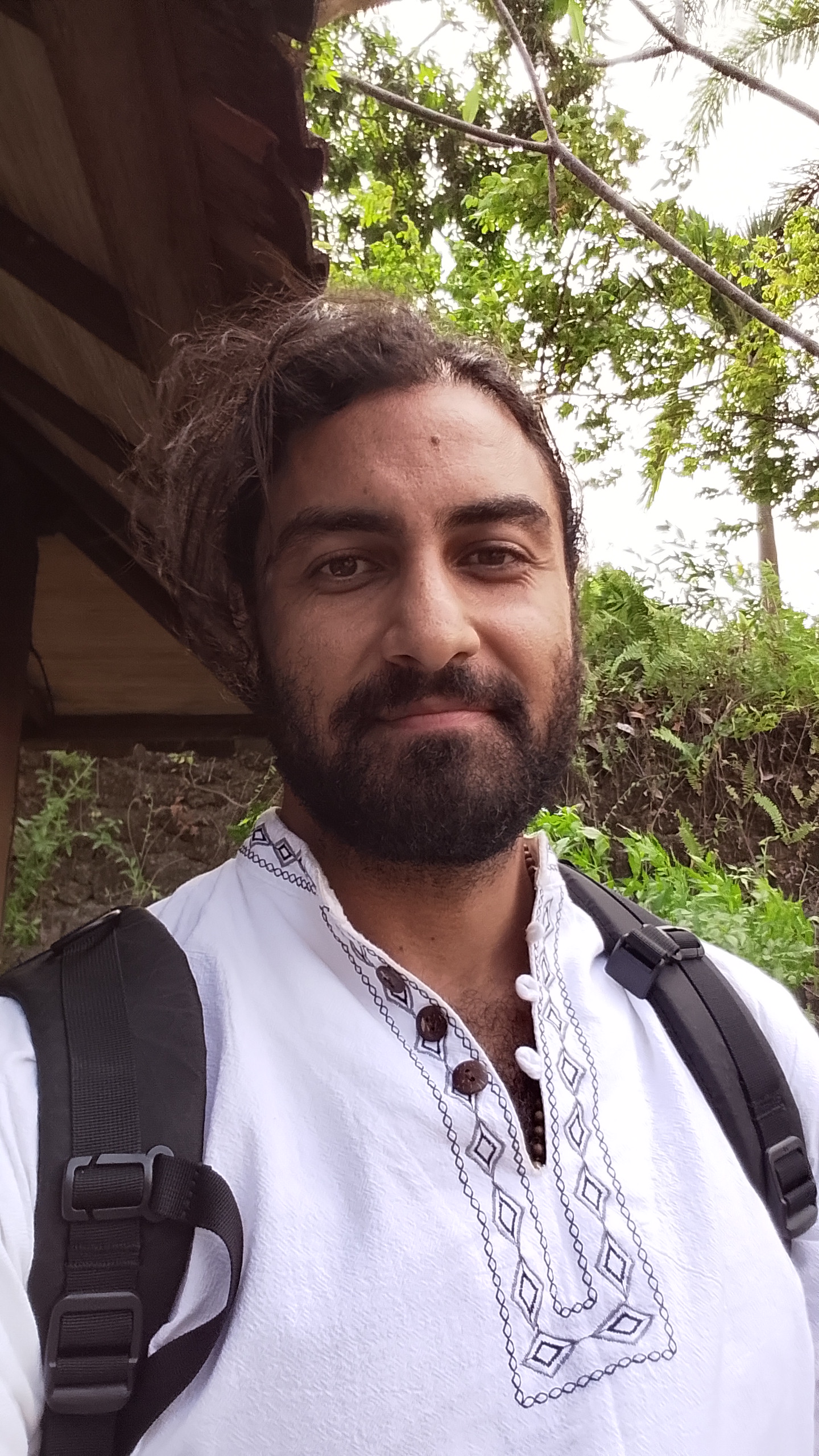
In the summer of 2025 I decided to sell all my possessions and move across the world from America to Bali, Indonesia. My girlfriend had a new job on the beautiful island we had never visited and we were excited for the experience. I knew I wanted to learn the language so I bought some books before leaving and was determined that once there I would learn to speak Indonesian. I wanted to actually communicate — not just being able to say a few phrases.
I tried some different apps for learning the language but the only one that really seemed helpful was Babbel. It had lessons which at times were repetitive, unhelpful by showing terms that weren't useful and not using informal language with how actual locals speak. The biggest challenge is that they only had A level (beginner) content, once you finish that, there isn't much to practice other than the same content again.
The Gap Nobody Talks About
Most language apps are built for the first 30 days. They're great at getting you from zero to tourist-level. But once you get past the basics — once you want to actually understand how the language works, have a real conversation, or read something beyond a textbook sentence — they just... stop being useful.
Indonesian has this beautiful system of root words and affixes. You take one root word and by adding prefixes and suffixes, you can create five, six, sometimes ten related words. Understanding that system is the key to actually becoming fluent. But none of the apps I tried even touched it. They just threw vocabulary at you in isolation, like learning to cook by memorizing individual ingredients without ever seeing a recipe.
I found myself stuck in this weird middle ground. Too advanced for beginner apps, but nowhere near fluent. And there was basically nothing designed for the space in between.
Meeting Yohana
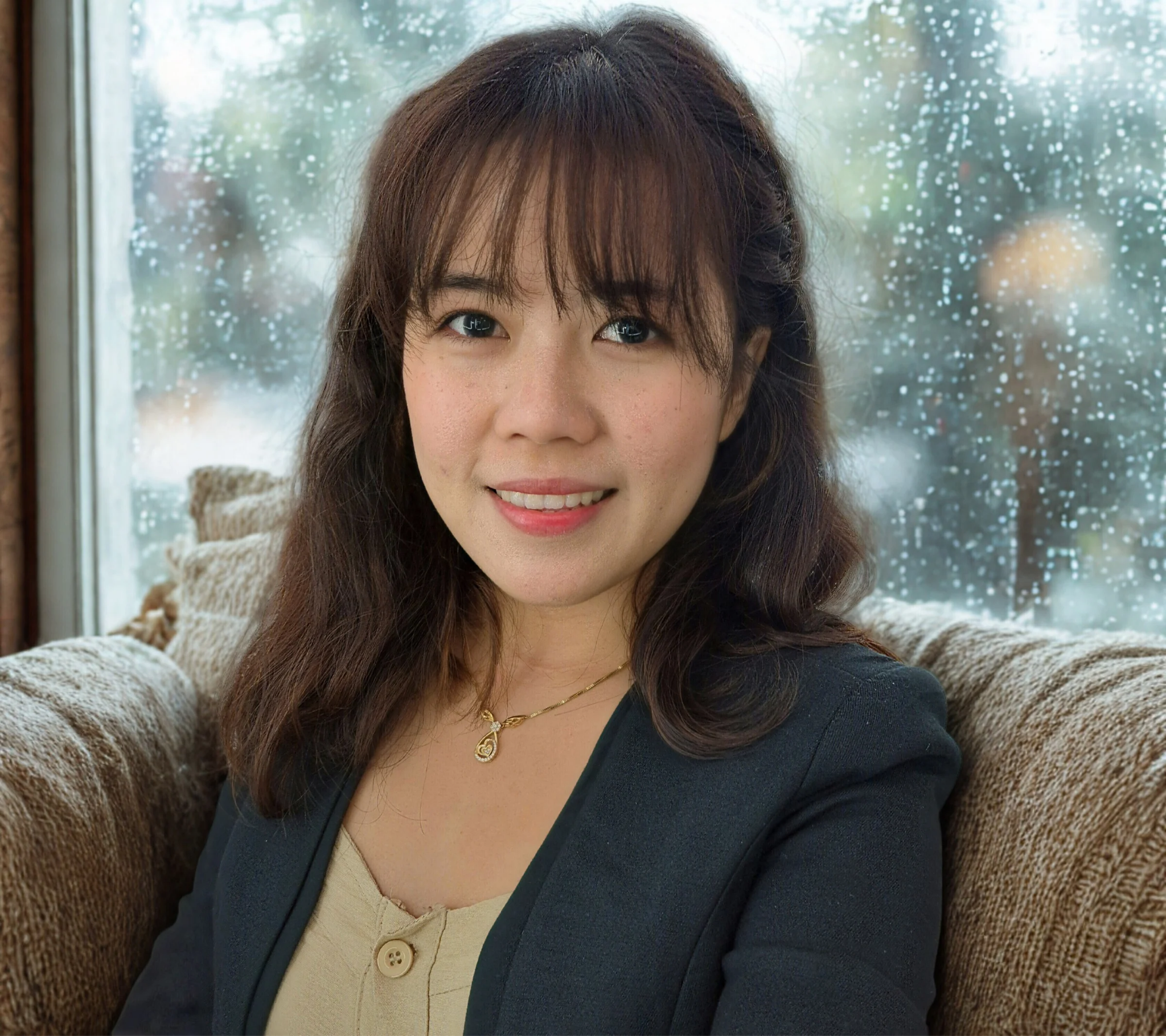
That's when I found Yohana on iTalki. If you've been in the Indonesian learning world for any amount of time, you might already know her — she's the teacher with over 3,400 five-star reviews. Not 3,400 reviews with an average of 4.8. Five stars. Across the board.
There's a reason for that. Yohana doesn't just teach you phrases. She teaches you how Indonesian actually works. The root word system, the formal vs. informal registers, the cultural context behind why you'd say one thing instead of another. After a few sessions with her, things started clicking in a way they never had with any app.
And that's when the idea started forming: what if we could take the way Yohana teaches — that deep, structured, actually-makes-you-fluent approach — and put it into an app that people can use every day?
Building Something Actually Useful
So we teamed up. Yohana handles all the content — every lesson, every vocabulary set, every grammar explanation, every cultural note. Nothing is generated by AI or scraped from textbooks. It's all crafted by someone who has taught thousands of students and knows exactly where people get stuck.
My job is the technology side. I built the app from scratch, and here's what I focused on:
- Root word formations — Learn 128 root words and unlock 921+ derived words. This is a unique aspect for Indonesian fluency, and no other app does this at all. For language nerds like Yohana and myself, this has been a fun feature.
- Daily structured lessons — Not random drills, but a real progression that builds on itself. Vocabulary, grammar, review, and speaking practice, all in one daily flow.
- Pronunciation scoring — Record yourself and get scored against native pronunciation. Because Indonesian pronunciation matters more than most people realize. Can you say
ngomong? - Spaced repetition that actually works — We use the SM-2 algorithm alongside the Goldlist method. You review at optimal intervals, and you only keep drilling what you haven't mastered yet.
- Dialogue practice — We recognize that listening and reading is some of the most important aspects to learning a new language with useful input, we have videos and dialogues between myself and her to guide users with actual phrases used in real conversation.
Why the Name "JADI"?
In Indonesian, jadi means "to become." It's also an acronym: Journey to Authentic and Deep Indonesian. We picked it because that's exactly what this is — a tool to help you become a real Indonesian speaker. Not a tourist. Not someone who can parrot phrases. Someone who actually understands the language.
What's Ahead
We're just getting started. Right now JADI covers a lot of ground — daily lessons, pronunciation practice, root word breakdowns, spaced repetition, Indonesian stories with native speakers — but we have so much more planned. More advanced content, more cultural context, more ways to practice real conversation.
If you've been frustrated with the same surface-level language apps, or if you've hit that intermediate wall and don't know where to go next, JADI was built for you. Literally. It started because I was exactly where you are now.
Sign up with your email so we can send you a link to be a tester before we go live with our launch. We're building this for our community, and your feedback shapes what comes next.
— Bijan